Acupuncture Licence in Wales: What the Rules Require
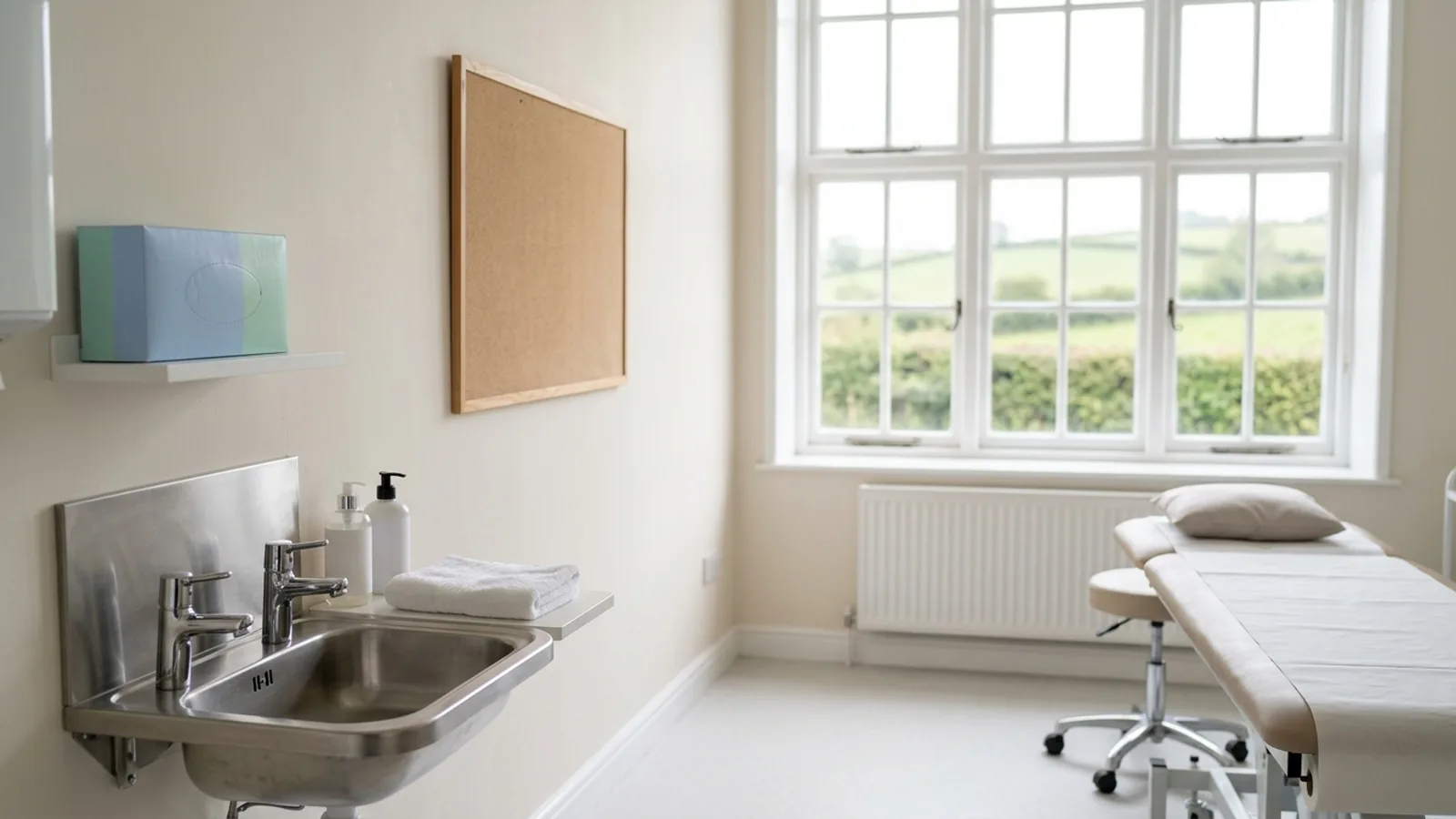
As of October 2026, anyone who carries out acupuncture in Wales needs a special procedure licence from their local council. The places where they work usually need an approval certificate as well. The scheme also covers tattooing, electrolysis and body piercing. It has been in force since 29 November 2024, and the transition period for practitioners who were already working has ended.
This guide explains who needs what, how to apply, what the hygiene rules look like and how to check that a practitioner is licensed. Councils run the scheme locally, so fees and forms can differ from one area to the next. Always confirm the details with your own council before you apply.
Which procedures are covered?
The scheme applies to four procedures, which the Welsh Government describes as special procedures:
- Acupuncture, including dry needling
- Body piercing, including ear piercing
- Electrolysis
- Tattooing, including semi-permanent makeup and microblading
Councils do not always describe the list in the same way. Wrexham County Borough Council, for example, also names cosmetic piercing and semi-permanent skin colouring. If your work sits close to the edge of these terms, ask your council how it classifies what you do.
Who needs a licence?
Three groups need to apply:
- Practitioners. Anyone who carries out one of the procedures needs a personal special procedure licence.
- Premises and vehicles. Anyone responsible for a place or vehicle used for these procedures needs an approval certificate for it.
- Business managers. Anyone who manages a special procedure business needs to apply.
People who hold a licence under another UK scheme and want to work in Wales also need a Welsh licence. The Welsh Government’s guidance covers this case directly.
Practitioners who were registered under the old system had a transition period. Torfaen County Borough Council set 28 February 2025 as the deadline for existing licence holders to apply under the new scheme. That date has now passed. If you are still working under an old registration and have not applied, contact your council straight away. The Welsh Government says councils can take enforcement action against anyone who continues to practise without applying.
How to apply
The exact steps depend on your council, but the general process looks like this, using Wrexham as an example:
- Find the council for your work address. Licences are issued by the local authority where the procedure is carried out.
- Create an online account if your council uses one. Wrexham asks applicants to set up a MyAccount.
- Complete the personal licence application form.
- Complete a premises approval form if you are responsible for a premises or vehicle.
- Pay the fee. Fees vary between councils and are set out on each council’s fee list. The sources I checked did not give current amounts, so look these up locally.
- Wait for approval before you start. New applicants must wait until processing is complete before they practise.
Licence holders must display their licence, or wear a lanyard licence where the council issues one. Approved premises and vehicles must display their certificate. Renewal periods are not set out in the guidance I could read, so ask your council how long a licence lasts and when it needs renewing.
What are the hygiene rules?
The Special Procedure Licences (Wales) Regulations 2024 set out conditions for each procedure. The main points for acupuncture are:
- Wash and dry your hands thoroughly before treatment.
- Wear single-use gloves.
- Keep equipment and instruments in good condition, and handle waste properly.
For body piercing and tattooing, the regulations add single-use disposable aprons. For tattooing, they also cover how inks and pigments are sterilised and diluted, using only sterile water. The regulations also include general safety and hygiene duties that apply to every procedure. Read the full schedules on legislation.gov.uk if you need the exact wording.
Good infection control protects clients and practitioners alike. Gov.wales stresses this point in its guidance on the scheme.
How to check a practitioner is licensed
Before you book, check the national register at specialprocedures.co.uk. It lists valid licence holders and approved premises and vehicles across Wales. Local councils update it when they grant or approve licences.
This matters because the NHS notes that complementary therapists are not legally required to register in the UK. Its advice is to choose a practitioner who is registered with a professional body accredited by the Professional Standards Authority. A Welsh licence and a professional body membership are two different things, so it is worth checking both.
What about England?
This scheme applies in Wales only. In England, councils license acupuncture and other skin-piercing services under their own local rules. Swindon Borough Council, for example, runs its own licence for acupuncture, tattooing, piercing and electrolysis. If you practise or live elsewhere in the UK, check the rules where the treatment takes place.
Key points
- Acupuncture in Wales needs a personal special procedure licence from the local council.
- Premises and vehicles used for these procedures need an approval certificate.
- The scheme has applied since 29 November 2024. The transition deadline for existing practitioners was 28 February 2025.
- Fees, renewal periods and forms vary by council, so check locally.
- Hygiene rules include hand washing and single-use gloves for acupuncture.
- Check the national register at specialprocedures.co.uk before you book.
Frequently asked questions
Do I need a licence to do acupuncture in Wales? Yes. Anyone who carries out acupuncture in Wales needs a personal special procedure licence from their local council. If you work from a premises or vehicle, that place also needs an approval certificate.
I hold a licence from another part of the UK. Can I work in Wales? Not automatically. Practitioners licensed under other UK schemes who want to work in Wales need a Welsh licence.
How do I check whether an acupuncturist is licensed in Wales? Search the national register at specialprocedures.co.uk. It lists valid licence and approval certificate holders.
What happens if I already practised under the old registration? The transition deadline for existing licence holders was 28 February 2025 in Torfaen. If you have not yet applied, contact your council now.
How much does a licence cost? It depends on the council. Each council publishes its own fee list, and the sources I checked did not give current amounts.
Does the Welsh scheme apply in England? No. England has its own council-based arrangements, so check the rules where you work or where the treatment happens.
Next steps
If you are a practitioner, contact your local council’s licensing team before you start, and ask for the current fee list and forms. If you are a client, check the register before booking.
If you are thinking about training in acupuncture, the North Wales College of Oriental Medicine at Eyton, near Wrexham, offers an acupuncture course and runs a low-cost public clinic where students treat real patients. Check its current course details and entry requirements directly with the college, as they are not listed on its homepage.